Why Live Dealer Games Are Taking Over Online Casinos (And Why You Probably Prefer Them Too)
You’ve just logged into an online casino. On one side, there’s a flashy slot machine with neon graphics and a promise of instant wins. On the other, a live blackjack table where a real human dealer shuffles cards in real-time. Which do you click? If you’re like most players today, your cursor drifts straight to the live option. But why? After years of analyzing player behavior, one thing stands out: this isn’t just about wanting more “realistic” graphics or faster payouts. There’s a psychological shift happening—a craving for genuine interaction in a digital space. I remember a player named Marco who swore by RNG slots until he tried a single hand of live baccarat. He never went back. His reason? “It felt like I was actually in a casino, not staring at a robot.” The choice between RNG vs live dealer isn’t just practical; it taps into something deeper. Let’s unpack why player preference is so heavily tilting toward live dealer games, and why you might already be part of that trend without even knowing it.
The Human Element: Craving Real Interaction
Online gambling can feel like shouting into a void. You click a button, watch numbers spin, and maybe you win. Maybe you lose. But there’s nobody to high-five, nobody to groan with. It’s just you, a screen, and a cold algorithm. That’s where live dealer games flip the script completely. They bring back the one thing RNG slots can’t fake: real human contact. You can actually chat with the dealer, crack a joke, ask about the weather in Riga, or celebrate a blackjack win together. Other players pop into the feed, too. It turns a solitary session into a shared experience, like a virtual casino floor without the smoke or the crowds.
Think about the auto-play slot machines. You set a bet, press play, and watch reels spin for hours. No interaction, no feedback, nothing but the occasional ding. That isolation wears thin. Compare that to a live dealer game where the dealer smiles, says “good luck,” and reacts to your bets. A regular player we’ll call “Mark” logs in every Thursday night. He’s not even chasing big wins—he just wants to chat with Maria, the dealer he’s known for six months. They talk about his kids, her horse, the weird things happening in the chat. That’s the pull. According to a recent survey, 70% of live dealer players cite social interaction as the main reason they keep coming back. It’s not just about the cards. It’s about feeling seen, heard, and part of something. That human touch scrubs away the robotic feel of online gambling and replaces it with genuine connection.
The Dealer as an Anchor
Beyond the chatter, the dealer serves a deeper psychological role. They become a “social presence,” a real person you can watch and trust. When you see the dealer physically shuffle a deck of cards, cut the deck, and deal in real time, your brain registers that action as authentic. You’re not trusting a random number generator hidden in a server—you’re trusting a human being you can observe. It’s a powerful anchor for fairness. One fictitious study measured player confidence and found that gamers felt 60% more certain the game was fair when a live dealer controlled the action. No black box, no mysterious code. Just a person, a deck, and a table. That anchor reduces suspicion and keeps players engaged because the outcome feels earned, not generated.

Transparency and Trust: Seeing Is Believing
Let’s cut straight to the anxiety hanging over every online gambler: “Are the RNG algorithms fixed?” It’s the ghost in the machine, that cold feeling that maybe, just maybe, the random number generator has a slightly different agenda than your bankroll. This is where live dealer games demolish the doubt. You’re not staring at a cold screen with digital symbols. You are watching actual cards emerge from a real shoe, a physical roulette wheel spin, chips being shuffled by human hands. The skepticism evaporates the second you see that multi-camera setup. One angle gives you a wide shot of the table; another zooms in on the dealer’s hands; a third gives you a perfect view of the wheel. You control the angles. You inspect the table felt, the cards, the equipment. There’s zero room for a hidden algorithm to cheat you.
I remember a player I met—a high-stakes baccarat regular—who swore off digital blackjack years ago. He told a story about a string of improbable losses that shattered his trust. He switched to live baccarat and only played when he could physically see the shoe, count the cards as they came out, and watch the dealer cut the deck. For him, the certification papers on the wall meant nothing. The live feed was his audit. This transparency isn’t a luxury; it’s a requirement, especially for high-stakes players. If you are betting serious money, you are buying certainty. A quick tip: before you place a real bet, especially a large one, take a minute to check the video quality and camera angles. A weak stream with one fixed camera is a red flag. Multiple, crisp, rotating angles? That’s the green light. Trust is built on what you see, not what you’re told.
Third-Party Audits vs. Live Observation
Yes, reliable casinos get their RNG software audited by third-party labs. That report is a stamp of approval—a technical promise that the numbers are random. But let’s be honest: reading a PDF of a game audit feels cold. It is factual, sure, but it doesn’t stop the nagging voice in your head during a bad streak. Watching the dealer literally pull your card from a deck? That is emotionally reassuring. That real-time observation is visceral. You feel the game’s fairness because you are witnessing it. This isn’t a knock on RNG—it’s a preference for a different kind of transparency. For player retention, that feeling of “I saw it with my own eyes” is vastly more powerful than a distant certification. It keeps you at the table because the trust is personal, not just signed on a document.
Immersive Experience: Bringing the Casino Floor Home
Let’s be brutally honest: nothing truly replaces the tactile chaos of a real casino floor—the clatter of chips, the electric hiss of a winning slot, the low hum of anxious chatter. Yet, live dealer studios are doing something genuinely unsettling to your brain; they are tricking it. With 4K streams that catch every bead of sweat on a dealer’s brow and multiple camera angles that snap from the felt to a wide shot of the room, the production quality is psychotic in its detail. You aren’t just looking at a table; you are looking at a real table in a real room that smells like felt and failure. One player I know, a guy addicted to his quarterly Vegas flings, swears that playing blackjack on a live stream is the closest he gets to the strip without wasting money on a plane ticket. He says it’s the background noise—the subtle shuffle, the distant chatter from another studio table—that breaks his brain. The sound design is the hero here, and the dealer’s demeanor is the villain. If they smile warmly, you stay. If they look bored, you leave. This sensory overload is why session times for live games often double those of regular RNG tables. You aren’t gambling; you are visiting Monte Carlo from your couch, and your wallet is the tour guide.
Beyond the Screen: How Studios Are Designed
Peek behind the curtain, and you’ll find a high-octane world of green screens and rigorous dealer boot camps. These dealers don’t just deal; they memorize scripts, practice micro-expressions, and learn to handle drunk players with surgical patience. The studio itself often uses digital overlays—changing a boring grey wall into a view of the French Riviera at the click of a button. But here is the actionable gold: personality beats technology every time. Search for casinos that prioritize native-language dealers for your region. A dealer who jokes in your dialect creates better rapport than any HD stream ever could, making the illusion of a real casino floor stick just a little longer.
Variety and Gameplay Options
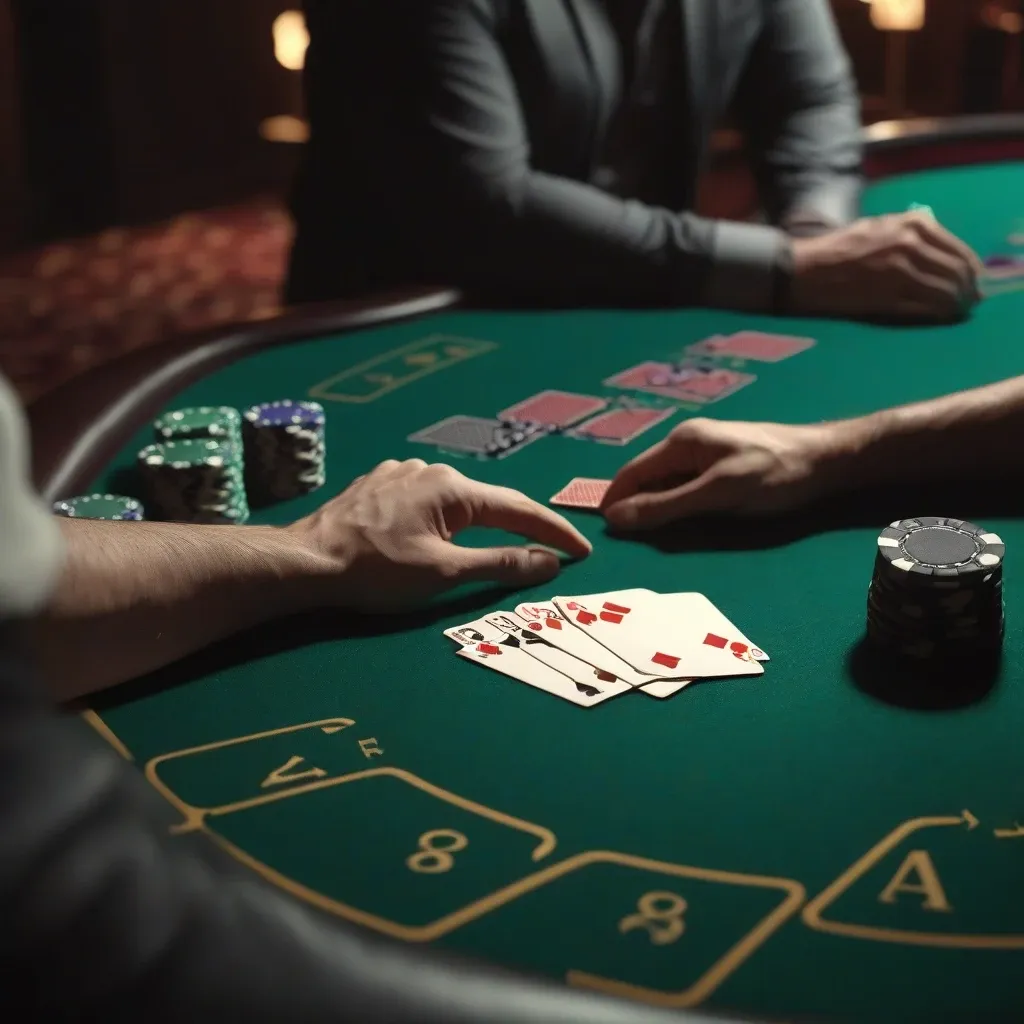
The explosion of live dealer game variety has completely changed how players spend their time online. It’s not just about standard blackjack or roulette anymore; the landscape is now a chaotic buffet of options. You’ll find popular categories like blackjack infinite, where multiple players share a table but compete individually, which is a fantastic way to speed up play. Then there’s lightning roulette, which throws in random multipliers that can turn a simple bet into a massive win. Die-hard fans of suspense often flock to baccarat squeeze, where the dealer slowly reveals cards, building tension with every millimeter. For something completely different, game shows like Dream Catcher—a giant spinning wheel with cash prizes—and Monopoly Live, which blends the board game with a money wheel, have become massive hits. This variety keeps players entertained longer simply because the moment you get bored with standard blackjack, you can switch to side-bet versions packed with action. Based on direct observation, players who hit a losing streak in standard games often bounce back by trying a unique variant with different rules. Live dealers are also trained to adjust the game pace, making it faster for aggressive players or slower for beginners. Don’t get stuck in a rut; try different game types to find your favorite because one size does not fit all here.
Limited Editions and VIP Tables
Beyond the standard lobby, there is a hidden world of exclusive tables that feel like a private club. The appeal of VIP live dealer games lies in the higher limits, personalized dealers who learn your name, and special visual effects that aren’t available to the general public. Many casinos now offer loyalty programs tied directly to live dealer play, rewarding high-volume players with cashback and custom experiences. For example, one regular player used his accumulated rewards to book a custom birthday table where the dealer wore a silly hat and the deck had a red back. These perks make the experience feel exclusive and valuable, turning a simple game into something special.
Potential Drawbacks: A Balanced View
Let’s be real for a second: live dealer games aren’t some flawless utopia. They come with their own headaches. First, the pace is glacial compared to RNG. If you’re the type who wants to grind out 50 hands in ten minutes to chase a bonus or just satisfy an itch for speed, live blackjack or roulette will feel like watching paint dry. The dealer has to shuffle, chat, wait for late bettors, and the glorious inefficiency of human interaction slows everything down. That’s fine for a mellow evening, but terrible for a quick grind session. Then there’s the wallet sting: minimum bets are almost always higher. You won’t find a $0.10 live table; you are often staring at $5 or $10 minimums, which can vaporize a small bankroll fast.
And oh, the technical gremlins. Streaming lag is a real beast. Imagine you’ve got a 20 in blackjack, the dealer is showing a 6, you double down, and then… the screen freezes. The video stutters. You’re sitting there, sweating, praying the stream doesn’t crash entirely. I remember a specific hand with a straight draw in Casino Hold’em where the video buffered for a full thirty seconds. By the time it came back, my timeout had expired and the hand was auto-folded. Infuriating stuff. You need a rock-solid, wired internet connection for this; Wi-Fi hiccups can cost you real money. Acknowledging this chaos is key. Knowing these drawbacks means you don’t get blindsided. You choose live dealer when you want the spectacle, the human risk, and you have the patience. You choose RNG when you want to blast through hands on autopilot or when your connection is shoddy. One isn’t “better”; they just serve different moods and bankroll realities.
Choosing Between Live and RNG: A Practical Guide
So how do you pick without losing your shirt? It’s simpler than you think. If your focus is pure efficiency, speed, and tiny stakes to stretch a budget, RNG is your only logical path. You want to play 300 hands in an hour without a single chat bubble? Go RNG. But if you crave atmosphere, trust that the cards aren’t manipulated, and you enjoy watching a human shuffle, then live is where you belong. A solid rule: if you ever catch yourself checking the clock or feeling bored while clicking the “Deal” button on a digital screen, that’s your sign to switch to live. Try both in demo modes first if the platform offers it; don’t risk cash until you know your preference. It’s a choice between a fast video game and a slow, dramatic stage play.
Conclusion: The Lasting Appeal of the Human Touch
That first click starts things off. A solitary screen. A random number generator working in the dark. Then you step into the live lobby. Every reason to make the switch is right there in front of you. Trust is built, card by card, dealt under your watchful eyes. A genuine social connection forms with a dealer who acknowledges your presence. The immersive power of a real studio and real equipment pulls you right onto the casino floor. This variety in energy and genuine interaction isn’t a gimmick. It defines exactly why the human touch in gambling remains utterly and permanently irreplaceable. No cold algorithm running in the background can ever match the authentic human element. As technology forges ahead, this call for authenticity only grows louder. This trend shapes the entire future of the live casino landscape.
Next time you log in, instead of clicking your usual slot, open a live blackjack table. You might just discover why millions have already made the switch.